



This Is Vani, Senior FF&E Designer: The Story Begins with Curiosity
For Vani, every project begins with curiosity. Before the materials are selected, the palette is refined, or a piece of furniture is drawn, she starts by looking closely at the place — the city, its history, its music, politics, geography, and even its weather, along with the natural elements that shape it and the way local people live their lives.
Sometimes, she says, the idea comes from something very small: a detail on an old monument, a local craft, or a pattern of everyday life that reveals something about the character of a place. “I think that’s also something very important,” she says, “how the local people there live their lives.”
From there, a story begins.
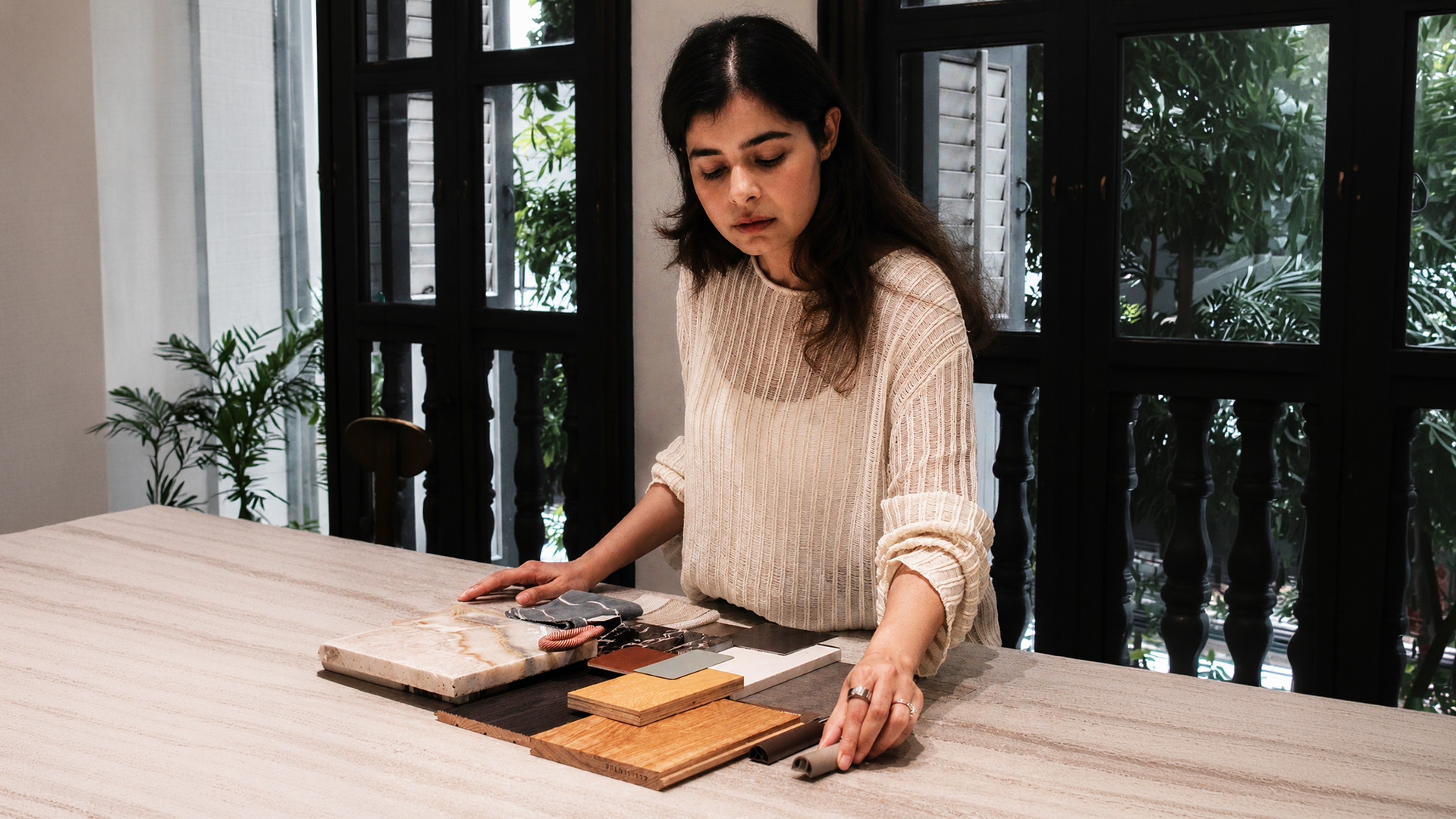
Vani’s path into hospitality design began across fashion, spatial design and product design. From early on, she knew she would work in a creative field, but it was fabric, texture and colour theory that first gripped her imagination.
When she was introduced to interior design and FF&E as separate disciplines, something clicked.
“FF&E was just perfect for me because I got to play around with fabrics and textures,” she says. “Colour theory is something we look at a lot. I just love doing that.”
That early fashion sensibility still shapes the way Vani approaches spaces today. She looks at colour, proportion, texture and mood with a designer’s eye for how materials behave, how they feel, and how they shift from day to night.
In one bar concept, she describes choosing green and sepia-toned materials that would feel fresh in daylight, then deepen into something moodier and more intimate in the evening. Soft velvet, reflective surfaces and warm lighting all had to work across the changing life of the space.
For Vani, this is where FF&E becomes more than selection. It becomes atmosphere.
“The materials and furniture, they kind of form the spirit of a space,” she says. “It’s just more than a piece of furniture. It’s something that is forming your space. It’s telling a story.”
Storytelling is the part of the process she loves most.
At BLINK, she says, every project begins with a strong narrative. That narrative might come from local nature, craft, architecture, art, history or the brand itself. Once the story is clear, it starts to guide every decision, from space planning and furniture to finishes, lighting, fabrics and details.
“Storytelling is like the heart of each and every project at BLINK,” she says. “That also sets each and every project apart.”
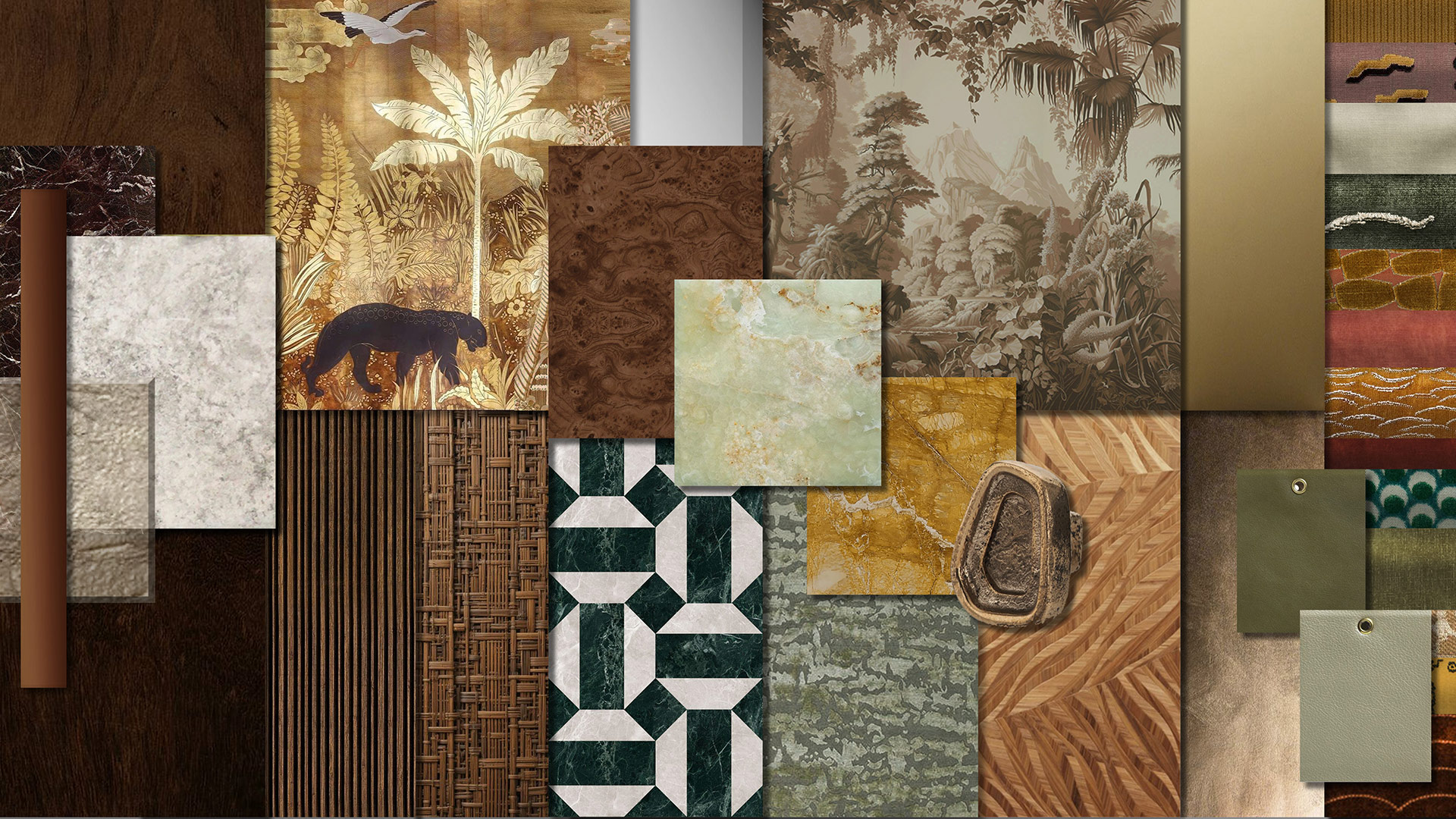
Vani’s process often begins digitally. She might start with a single image, an outfit, a wallpaper texture, an artwork or a reference from another discipline, then draw out a colour scheme or mood. From there, she looks for products, samples and finishes that can bring the idea into physical form.
The digital board comes first, but the physical test is essential. A sample has to be seen, touched and understood. A chair has to be sat in. A material has to be checked for how it changes in different light.
Sustainability, for Vani, is part of that responsibility. It sits in the sourcing, the making and the lifespan of the space.
She values conversations with suppliers about where materials come from, how they are made, whether processes are ethical, and how artisans are supported. She is also drawn to bespoke crafted finishes: pieces made specifically for a space, rather than mass-produced solutions applied without meaning.
But sustainability is also about endurance.
“The design itself needs to be something that is evergreen,” she says. “It needs to be something that will last a long time.”
That means creating spaces with enough depth, quality and relevance to avoid being torn out in a few years. Materials, furniture and finishes all have to support that longevity.
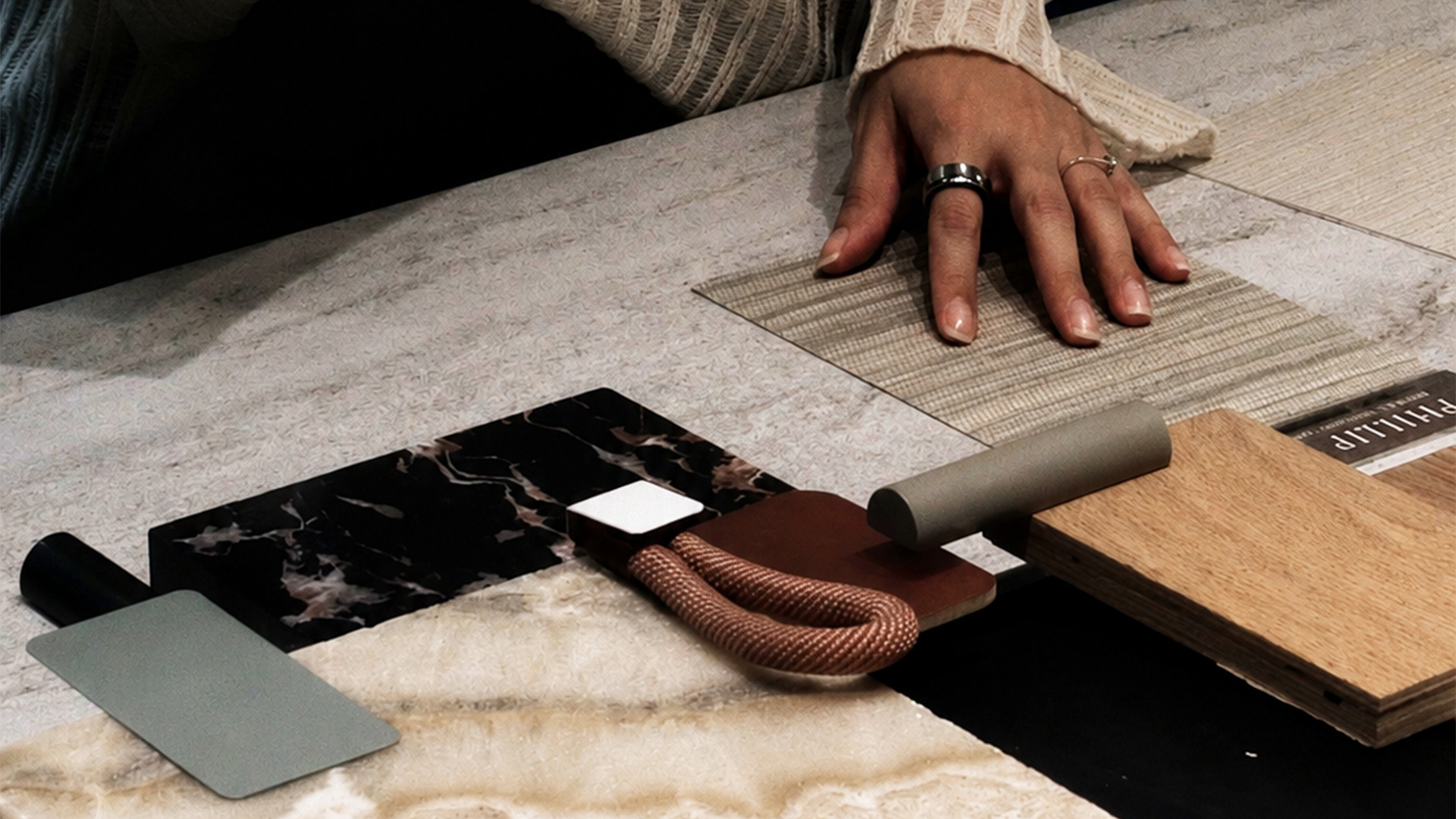
What gives Vani’s work its character is not only the big story, but the small surprise. She loves what she calls “the quirk” in a piece: a shadow gap, a small framing detail, a moulding, a crafted edge, a shift in shape that makes something feel considered rather than ordinary.
It is not about adding detail everywhere. It is about knowing where to add it, and where to stop.
“I always think about what is the quirk in this piece that can be added,” she says.
That quirk might be the thing a guest notices without quite knowing why. A finish on a wall. A pattern on a cushion. A small detail on a lamp. A moment that catches the eye and makes the space feel memorable.
When asked what she wants guests to feel in a space she has helped shape, Vani’s answer is simple: excitement.
“If any guest enters a space that we work on, and if they’re left leaving excited, even by a small thing, like a small quirk or a finish on the wall or just a pattern on a cushion, that is a space well planned and well executed.”
For Vani, that is what good hospitality design can do. It can carry a story through every layer of a space, not only to be seen, but to be felt.
This is Vani. This Is Us.