



This Is Wai, Senior FF&E Designer: The Chef’s Table of Design
Wai first worked with BLINK as an outsourced designer on JW Marriott Khao Lak. She later returned to the studio and has been part of the team as a Senior FF&E Designer for the past two and a half years.
For Wai, FF&E is where the guest experience becomes real.
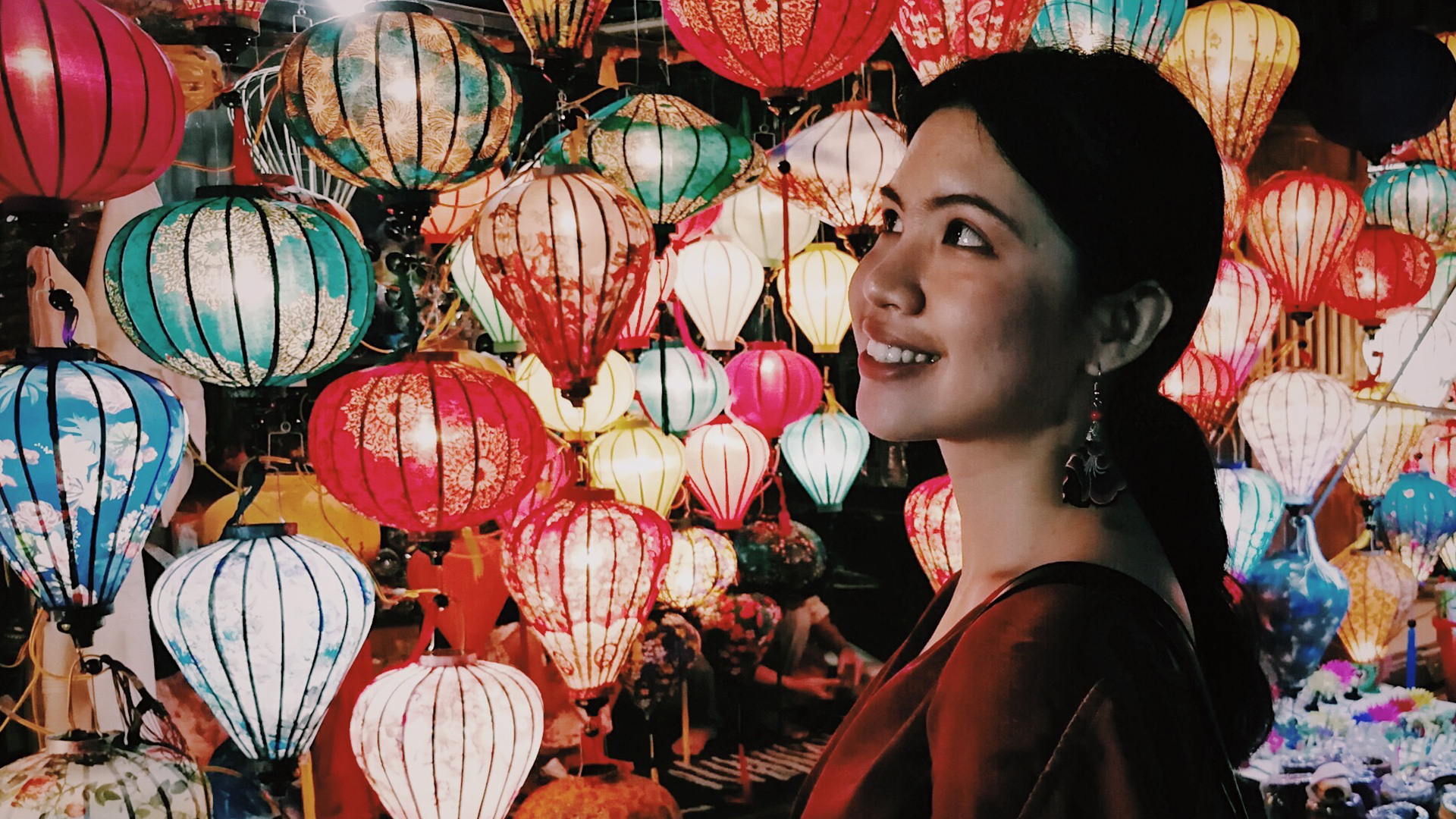
“FF&E is one of the most important aspects of the guest experience because it is the closest to the guest. Guests interact with these elements constantly throughout their stay.”
From the start, her focus is on how things feel in use, not just how they look in a presentation.
“For me, the biggest impact is seating, the comfort, and the texture of the material.”
Durability sits alongside comfort. It’s non-negotiable.
“I think the most important is durability. We have very high standards. We make sure that every material we pick passes the operator’s tests before we take it to the next step.”
A team-based way of working
Ask Wai what she enjoys most about her role and she talks about collaboration first.
“My favourite part of my job is working as a team. It’s fun and creative, and everyone shares ideas.”
That energy matters in the day-to-day. FF&E decisions move fast, touch many stakeholders, and need constant alignment between designers, operators, suppliers, and contractors. The work is detailed, but the process is shared.
Finding FF&E by chance
Wai did not begin her career knowing what FF&E was. She found it early, almost by accident.
“I was introduced to FF&E during my interview with my first design firm. I was a fresh graduate and had never even heard of FF&E, but my director immediately told me that I was an FF&E person.”
She gave it a try and discovered a discipline that rewards both intuition and rigour.
“It has trained my eye to appreciate details and beauty in everyday objects, while also keeping me constantly inspired by new materials, design trends, and evolving technologies.”
Her specialist area is clear.
“Materials are my passion and my specialty.”
What people get wrong about FF&E
Wai often hears the same misconception: that FF&E is simply selecting attractive items. In practice, it is technical, time-consuming, and deeply tied to delivery.
“Many people think FF&E is simply about selecting beautiful pieces. In reality, it’s a much more hands-on and technical process.”
It means visiting sites and factories, understanding constraints, and adapting decisions without losing the intent.
“There are always challenges along the way, and a big part of our role is to problem-solve and adapt, making sure the final outcome aligns with our original vision.”
For Wai, project type is less important than the brief.
“It doesn’t matter which is the renovation or the new build. It’s always the new brief.”
Sampling is where intent becomes measurable
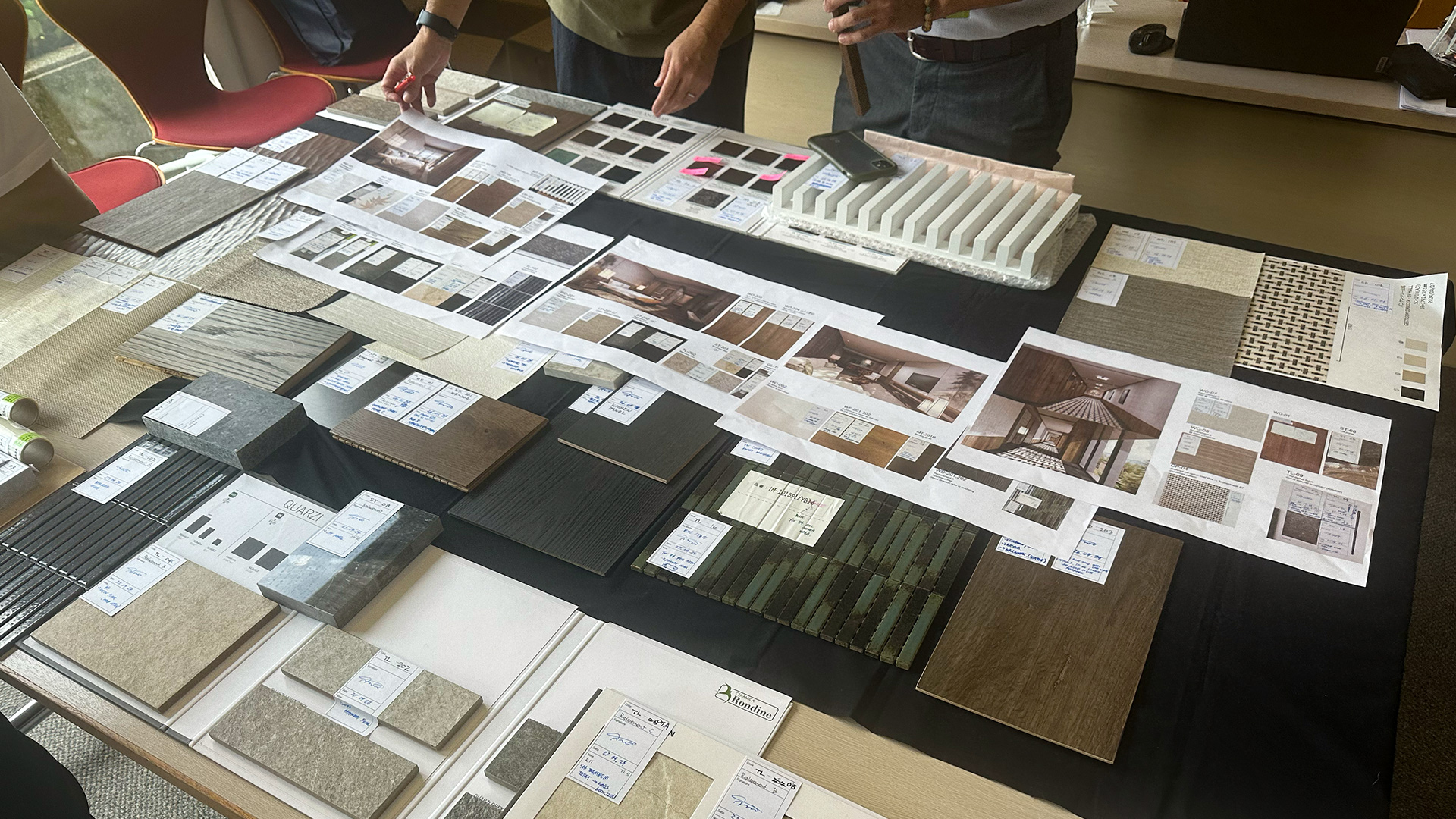
Wai says one of the clearest differences she noticed at BLINK is how seriously sampling and mock-ups are treated.
“One thing that really stood out to me about BLINK is how seriously the team approaches mock-ups and sampling. It’s not just about what looks good on paper.”
Mock-ups answer questions that drawings and small samples cannot.
“Drawings are 2D, and samples are only small pieces. Something that looks beautiful in 2D can feel quite different at full scale.”
If something needs to be special, Wai starts with what is possible and builds from there.
“If we like these fabrics, but we want to make it special, we ask the supplier what techniques they can do, and we develop samples until the quality is right.”
The process is thorough.
“We do that for every piece. If we have 100 pieces, we submit 100 samples.”
And it takes time.
“Usually, it takes four to six months to develop and approve the samples.”
Only after individual pieces are approved does the team move into room mock-ups. Wai notes that clients are rarely surprised at that stage, because they have already seen the material story develop through sampling.
Her analogy sums it up.
“We are like the chef’s table of design. Some teams take the fast-food route and go straight to production. We test, refine, and get it right.”
Why she teaches juniors to read the specifications
Wai mentors junior designers by shifting their thinking from taste to reasoning. A strong eye is a start, but not the full job.
“I try to guide juniors to look beyond just aesthetics and understand the reasoning behind each choice.”
Her advice is practical.
“What I always teach my juniors is you have to read the specifications. It might feel boring, but it helps you to understand the details.”
When a junior can explain why something was selected, they build confidence. They can defend their thinking, even if the final decision changes.
“At least you know why you pick this one and you have a reason, and they will get confident.”
Designing for guests and operators
Wai’s decisions are shaped by real use, not just visual impact.
“The people who live with our design are the guests and the hotel operators, so it’s our responsibility to balance both beauty and long-term performance from the very beginning.”
She begins by learning how spaces are actually run.
“I usually start by having detailed discussions with the hotel operators to fully understand how each space functions in real use.”
Then she aligns the material strategy with durability and performance.
“From there, I combine that insight with careful material selection, focusing on durability and performance over time.”
Sometimes that means revisiting choices. Sometimes it means making the long-term case to invest.
“At times, it also involves convincing clients to invest a bit more for better long-term value.”
Sourcing that carries place
Wai’s favourite sourcing moments happen when she travels and sees how materials live in different places.
“One sourcing moment I really enjoy is traveling to discover local materials and craftsmanship.”
On Taj Lucknow, she visited marble factories in India and China, and saw craftsmanship that changed her relationship with the material.
“I even came across Indian craftsmen hand-carving curved stone without using machines.”
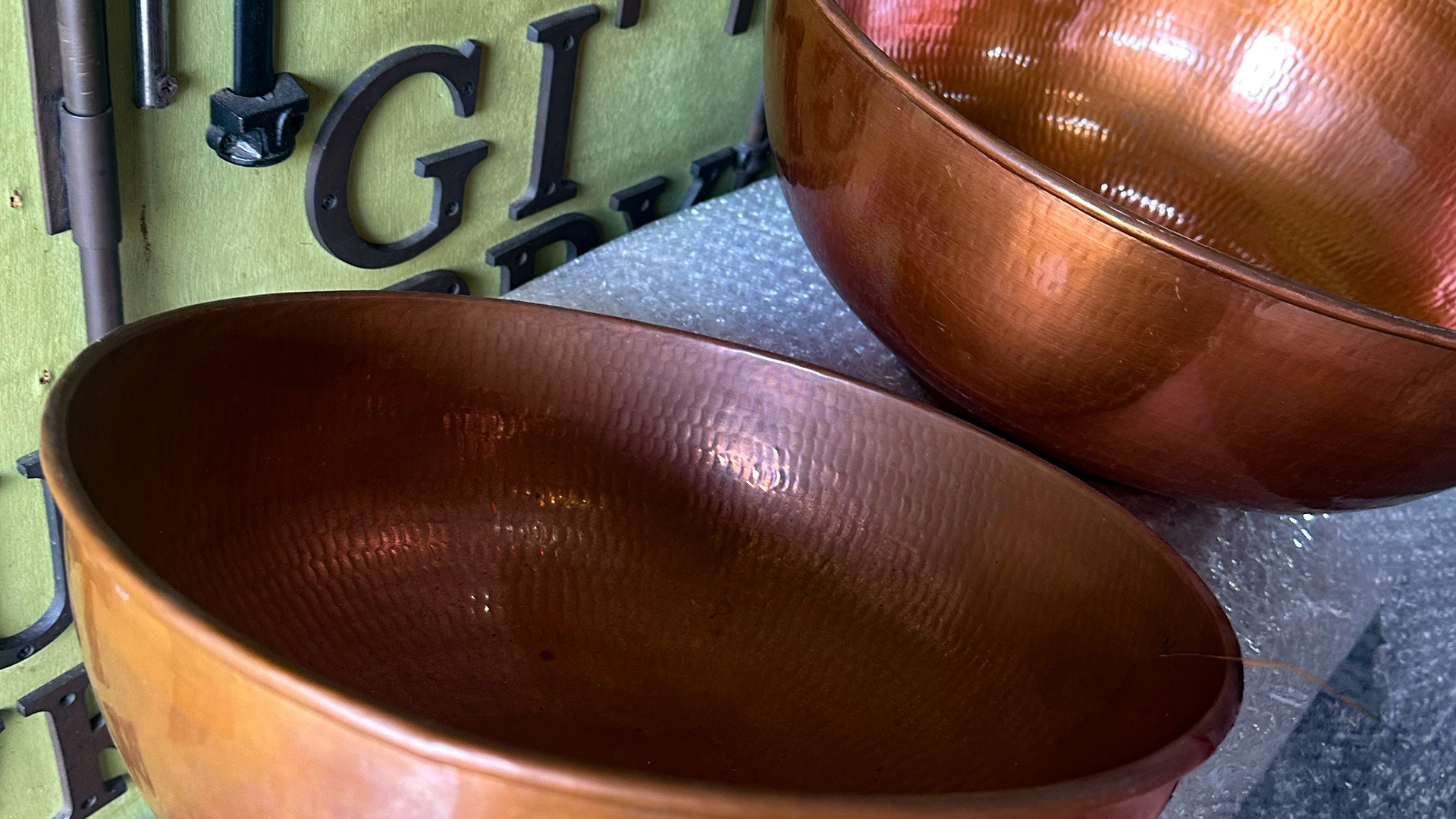
In Bangkok, she sourced a hand-carved copper basin and pushed for small Thai details in a lounge tabletop.
“I personally sourced a hand-carved copper basin. I also pushed for incorporating small Thai details that I believe guests will notice and appreciate.”
How FF&E changes the way she experiences hotels
FF&E has made Wai more observant, and more tactile, as a guest.
“I touch all the materials, and I’m interested in the patterns. I take photos and create a board.”
Sometimes she sketches too.
“And sometimes if I see an interesting layout plan, I also sketch.”
One last material
A material Wai never gets tired of is one that carries identity in its making.
“Ceramic tiles. I love how the patterns and colours often reflect the identity and culture of a place.”
This is Wai. This Is Us.